
To view individual panels, trainings and other sessions and to see who’s speaking, check out our searchable agenda below.
Wondering what a typical day at Netroots Nation is like? Check out our overview schedule.
Organic Social: How to Build an Engaged Online Community for Your Campaign
Training, Virtual Only Session, Streamed Session; Wed, 06/21/2023 - 01:00pm (Central), Virtual
Changes in online users’ search patterns, privacy updates, and the evolving social media landscape are making current marketing solutions like ads, search engine optimization, and influencer marketing increasingly expensive and inefficient. This workshop is focused on providing orgs with a cost-efficient alternative: organic social, or the practice of building an engaged online community whose members use their social media voices to help spread your organization’s message organically with their networks. We’ll discuss how to create a community of social sharers; build social copy using AI; use social share toolkits to generate impressions, donations, and sign-ups; and generate authentic engagement on different social networks.
Led by: Lori Coleman, Tudor Mihailescu
Email Masterclass: It's Still the Killer App
Streamed Session, Virtual Only Session, Training; Wed, 06/21/2023 - 04:00pm (Central), Virtual
Whether your community of supporters is five thousand or five million strong, email remains by far the most cost-effective and powerful digital channel at your disposal to inform and engage your base. The basics of how to run a good email program haven’t changed a lot over the years, but new developments—such as Apple’s Mail Privacy Protection, malware screening software, and the rise of unethical actors in the fundraising and activism space—are forcing us to develop new strategies. I’ll share lessons learned—about list growth, deliverability, messaging, testing, fundraising and more—from more than 18 years experience managing email programs for CREDO Mobile, Bernie 2016, NextGen, Vote.org, Mozilla Foundation and People for the American Way.
Led by: Will Easton
Paying from the Grave: How the Racial Wealth Gap Drives Student Lending
Panel, Virtual Only Session, Streamed Session; Wed, 06/21/2023 - 04:00pm (Central), Virtual
Students of color, and in particular Black students, tend to borrow student loans in higher amounts than their peers and borrow more frequently. This is the legacy of the historic and ongoing systemic racism that has created a persistent racial wealth gap, leaving Black and Latino students with less family wealth to draw upon as they pursue their degrees. And after graduation, the disparate impact persists. Almost half of Black graduates owe more on their undergraduate student loans four years after graduation than they did when they received their degree. During this panel, experts on student lending will discuss the student loan crisis—how we got here, the effects on Black wealth in particular, and how to fix it.
Led by: Briahnna Brown
Panelists: Wisdom Cole, Jaylon Herbin, Satra D. Taylor
Burnt: Avoiding and Recovering From Burnout in Yourself and Among Your Team
Training, Streamed Session, Virtual Only Session; Thu, 06/22/2023 - 04:00pm (Central), Virtual
Burnout is epidemic in activists, organizers and change-agents after the last seven years of battling rising fascism in America and the pandemic. Many of us do not know how to create lives of balance, or lead teams with policies and culture that prioritizes mental health. This session will offer strategies for avoiding and coping with burnout in individuals and organizations. We’ll take a people centered approach, discussing policies like sabbaticals, mental health days and other benefits, as well as building healthy culture and personal development strategies in the day in/day out to sustain us and build resilience in trying times. We’ll also touch on boundaries, finding balance, and the importance of joy. This training is ideal for those leading teams or organizations, but will offer something for everyone who has faced the challenge of giving so much that they felt they had nothing left to give.
Led by: Elizabeth McLaughlin
Truth and Reconciliation: How Canada Is Operationalizing Decolonization
Panel, Virtual Only Session, Streamed Session; Thu, 06/22/2023 - 04:00pm (Central), Virtual
Years of advocacy for redress by First Nation, Inuit, and Métis communities regarding ongoing legacy of colonialism in North America, namely the tortuous cultural cleansing and mass genocide carried out through the residential school system, resulted in Canada founding the Truth and Reconciliation Commission. The Commission was created to hear from survivors and interrogate how Canada’s political/legal systems, educational and religious institutions, corporations, and civil society can function in ways consistent with the UN Declaration of the Rights of Indigenous Peoples. In 2015 the Commission’s report was published: 10 principles of reconciliation and 94 calls to action. Panelists will discuss the implementation of the Calls to Action and lessons for a U.S. audience.
Led by: Carleen Pickard
Panelists: Brandi Morin, Clayto Thomas-Müller, Edgar Villanueva
Using Pop Culture Authentically in Your Campaigns
Virtual Only Session, Training, Streamed Session; Tue, 06/27/2023 - 01:00pm (Central), Virtual
From Superheroes to Soccer to K-Pop, people build community around pop culture they love. With or without movement organizations, fandoms are taking action for social change. Nonprofits and campaigns need to engage people where they are, with the stories they already love and share. But not every campaign experiences success and buy-in with fans. In this session, we’ll explore how to find and engage key fan partners, build pop culture campaigns, and turn fans into engaged and impactful activists!
Led by: Elana Levin
What the Right Does Right—and How We Can Do it Better
Training, Virtual Only Session, Streamed Session; Tue, 06/27/2023 - 01:00pm (Central), Virtual
January 6th was a terrifying display of effective digital organizing by the Right. Members of different white supremacist groups built their collective capacity online, traveled to Washington D.C. from all over the country, and stormed the capital of the United States of America. Numerous outlets began asking, “How did this happen?” But the more important question for organizers is, “Why can’t we pull off a huge display of people power like that?” This training will analyze the digital organizing efforts of the January 6th coordinators, highlighting key strategies that should be integrated into our own organizing, as well as where we can be even better than our adversaries.
Led by: Grace Guber
The Courts Are Not Lost: A Roadmap to Fighting Back
Panel, Virtual Only Session, Streamed Session; Tue, 06/27/2023 - 01:00pm (Central), Virtual
Dobbs decimated abortion access. Bruen devasted gun safety protections. And more cases on the Supreme Court docket this term threaten LGBTQ rights, affirmative action, student debt relief, and more. The ultraconservative 6-3 majority on the Court is poised to attack our rights at every turn. But there are real solutions to fight back to protect our rights: reform SCOTUS, fill federal and state courts with fair-minded judges, fight for policies that hold the line at state houses and ballot boxes across the country, and win elections in 2024 that will determine the future of our courts. This session will discuss how we advance these critical solutions, and lessons learned from the reproductive rights movement’s response to overturning Roe.
Led by: Keith Thirion
Panelists: Shwetika Baijal, Cedric Lawson, Meg Simons
Inclusive & Accessible Campaigns
Virtual Only Session, Streamed Session, Training; Tue, 06/27/2023 - 04:00pm (Central), Virtual
This workshop will help you and your team bring disability justice best practices into the nuts and bolts of your campaign work. From ensuring your campaign’s culture is welcoming and safe for disabled staff & volunteers, to ensuring your voter outreach is accessible and resonant with disabled voters, we’ll discuss common missteps, as well as recommendations for designing an inclusive campaign from start to finish. More accessible campaigns mean higher voter turnout and a better chance of winning! Learn more about our Inclusive Campaign Guide at https://www.inclusivecampaigns.org/
Led by: Dessa Cosma
Vote Run Lead's 90 Days of Action
Streamed Session, Virtual Only Session, Training; Wed, 06/28/2023 - 01:00pm (Central), Virtual
If you’re seeking an accessible way to prepare to run for office (and win!), 90 Days of Action offers a proven curriculum that has empowered thousands of women to earn seats in their state legislatures or other roles in government. Vote Run Lead’s signature training outlines 30 specific political actions you can accomplish within just 90 days to: improve your general knowledge of the political ecosystem; reach a better understanding of your specific political community; accelerate growing your political networks; and gain the confidence you need to commit to campaigning (and winning!). This course is a perfect starting point for women just beginning their political journey or already taking their first steps toward a seat in the statehouse.
Led by: Erin Vilardi, Lea Webb
Even-Year Elections For All: How U.S. Localities are Raising Voter Turnout
Panel, Virtual Only Session, Streamed Session; Wed, 06/28/2023 - 01:00pm (Central), Virtual
In many places across the U.S., we have a big turnout problem in odd year local elections. Fatigued voters simply aren’t showing up to cast ballots, resulting in important local positions like mayor getting chosen by a smaller, older, whiter, and wealthier electorate. We know elections are fairer and more meaningful when they include as many of us as possible. That’s why a growing movement has been working to switch America’s localities to even year elections. With a simple timing change, we can both dramatically raise and diversify voter turnout in local elections. Join us for a discussion highlighting the 13 of 13 successful even-year ballot measures that passed in 2022 and strategies for bringing even-year elections to more localities.
Led by: Andrew Villeneuve
Panelists: Chelsea Castellano, Kathay Feng, Zoltan Hajnal, G. Agustin Markarian
Pause for the Cause: Simple Tips to Make Peace In a Fast Pace
Streamed Session, Virtual Only Session, Special Event; Wed, 06/28/2023 - 01:00pm (Central), Virtual
Led by: Reggie Hubbard
Taming Trolls on Social Media
Training, Virtual Only Session, Streamed Session; Wed, 06/28/2023 - 04:00pm (Central), Virtual
These days, every campaign needs an online presence. However, the more time and energy candidates invest in social media, the more likely it is that they will have to contend with trolls. The conventional wisdom is that the best response is no response (AKA “Don’t Feed the Trolls”). This training provides a more sophisticated and effective alternative—Troll Taming—that will turn your interactions with those pesky trolls into a campaign asset.
Led by: Karin Tamerius
Ready, Set, Run for Something!
Special Event; Wed, 07/12/2023 - 05:00pm (Central), Waldorf
Run for Something recruits and supports passionate, diverse, young progressives running for local office.
- We’ve changed the national conversation around seeking public office.
- We recruit passionate problem-solving young people to run for state and local elected offices like school board, city council, and state legislature, which results in better policy right away and a better pipeline of federal and statewide candidates in the future.
- We support them with training, mentorship, resources, endorsements, and with a strong community of other candidates.
Come and learn about what it takes to run for office, how to get started, and how Run for Something can help!
This event is open to anyone who wants to learn more about running for local office. Netroots Nation attendance is not required, but you do need to RSVP. Click here to reserve your spot for this free training.
Led by: Manny Espitia, Kandice Harris, Michelle Thimios
Activism in Overdrive: How to Use the Powers of Art to Have More Impact in Voting and Beyond
Special Event; Wed, 07/12/2023 - 05:00pm (Central), Williford A
Joyful. Vibrant. Safe. Sexy. Accessible. Inspiring. Irresistible.
Not the words people often associate with voting, especially not in 2023: when there are staggering challenges to voters and those who support them all across the country. When it’s so hard for so many to cast their ballot, make their voices heard, and protect their fundamental freedoms.
But we know civic engagement can be all those things—and must be all those things, to mobilize at the mass scale we need to make a more just country and world. At the Center for Artistic Activism, we help people use the powers of art to overcome incredible odds and build campaigns that win — and win big. Join us to learn the tools you need to infuse your civic engagement efforts with creativity, innovation, imagination, and more impact.
This event is open to anyone. Netroots Nation attendance is not required, but you do need to RSVP. Click here to reserve your spot for this free training.
About the Center for Artistic Activism
The Center for Artistic Activism (501c3) helps people use their creativity and culture to affect power and build creative campaigns that win. We specialize in supporting social justice organizations to develop and assess creative advocacy strategies and projects. Our Unstoppable Voters program supports organizations and individuals in bringing innovation and impact to protecting the freedom to vote in the US. Since Unstoppable Voters’ start in 2020, we’ve worked with over 80 organizations and 1,000 individuals on invigorating their pro-voter efforts. We’ve run artistic activism trainings for seasoned movement leaders and new advocates, created communities to foster collaboration across backgrounds and experiences, and supported creative campaigns that have helped register and get out the vote in key communities, fight for the drawing of fair political districts, push for legislation that protects the freedom to vote, safeguard intersectional freedoms, and more.
Led by: Krystal Barrett, Rachel Gita Karp
Morning Yoga with Reggie Hubbard
Special Event; Thu, 07/13/2023 - 08:00am (Central), PDR #4
As activists we often get caught up in the perception of progress through busy-ness and neglect the necessity of focus and calm. Our morning flow will ground your day in peace and clarity before diving into the business/busy-ness of the conference. We’ll do light stretching, joint mobility enhancements, breathing and relaxation exercises.
Panelists: Reggie Hubbard
First-timer Meetup
Special Event; Thu, 07/13/2023 - 09:00am (Central), Salon C-3/4
First-time Netroots attendee? Want to find your crew of people to conquer the conference with? This session’s for you. Meet other first-timers and get tips for having a great convention and getting the most out of your time in Chicago.
Led by: Eric Thut
Panelists: Cheryl Contee, Anita Sarah Jackson
Brains! How Social Psychology Makes Us Better Communicators
Training, Professional Development Training; Thu, 07/13/2023 - 09:00am (Central), Williford B
Did you know that the right narrative frame has more impact on people’s policy preferences than their political affiliation? Or that visual language makes it more likely that your audience will understand, retain and repeat information? We’ll talk through ways to up your communication game using key concepts from social psychology and neuroscience. Along the way, you’ll learn about framing, effective narratives, building a foundational “message” house, prebunking, social norms, and more—all in service of comms work that is both strategic and authentic to your cause.
Trainers: Zainab Chaudary
Great Speakers Use Body Language To Be Heard—You Can Too!
Training, Professional Development Training; Thu, 07/13/2023 - 09:00am (Central), Waldorf
We all want to be taken seriously. We want the public, the media, funders, and stakeholders to know how passionate, knowledgeable, and confident we are in our work. But why is it so hard to pull off when speaking in public? Even when you’ve finely crafted your message, those words on paper just aren’t cutting it. The secret is you. Specifically, your body, and what your body is saying—whether you realize it or not. Your eyes, your hands, how you hold yourself—all these communicate something. We all inhabit different bodies, and we’re here to say *any* body can master speaking, media hits, pitches and other public appearances by using specific tools, techniques and training. We will show you how.
Trainers: Arshad Hasan, Vicki Roush
How to Fight for Our Communities While Caring for Ourselves
Professional Development Training, Training; Thu, 07/13/2023 - 09:00am (Central), PDR #2
Movement building is hard work. It often requires extended sprinting, context-switching and heavy lifting. Being effective in our work requires us to dig deeply into issues that take an emotional toll. So how do we care for ourselves without lessening our commitment and our impact? How do we accomplish our goals without perpetuating grind culture? How do we do what it takes to build a more equitable society in the future without compromising on our commitment to equitable practices in the present? In this training, we’ll debunk the false choice between effective organizing and sustainability, confront common scenarios where this tension is present and cover practical tips for setting boundaries and caring for yourself as you organize.
Trainers: Kate Catherall, Gabby Seay
2023 Social Media News You Can Use
Training, Professional Development Training; Thu, 07/13/2023 - 09:00am (Central), Astoria
Since we gathered in Pittsburgh for NN22, the social media universe has undergone more significant changes than ever before. From the sale of Twitter and its further descent into chaos to the rise of recommendation engines and AI, the social media of 2023 remains an ever-evolving space that is critical to the work we do trying to make the world a better place for all. This training will take you through all of the changes to social platforms like Facebook, Instagram, Twitter, YouTube, TikTok and more in the past year and will share strategies and tactics to help you adjust to these changes.
Trainers: Beth Becker
What to Do When Your Email Program Hits a Plateau
Training, Professional Development Training; Thu, 07/13/2023 - 09:00am (Central), Williford A
Does this sound like you? Your email program has been running for years and it’s a key source of revenue for your organization. You’re tasked with meeting prior records set during the Trump administration and even building on them, but you’ve exhausted your current audience and toolset. The only ideas you have left involve glitchy GIFs from 2011. This training will provide actionable strategies to help your organization break through the email plateau and elevate your email marketing efforts.
Trainers: Catherine Algeri, Janani Sreenivasan
Thursday Coffee Break
Special Event; Thu, 07/13/2023 - 10:00am (Central), Town Square (Salon D)
Need a quick pick-me-up? Come by the Town Square for coffee and pastries to get your day started.
Disinformation Station: How to Stop Racist and Misogynist Disinformation
Training; Thu, 07/13/2023 - 10:30am (Central), Williford A
Join us to learn how to define and identify mis-, dis-, and malinformation. In this training, we’ll cover how disinformation works to spread misogyny, racism, white supremacy and more. Participants will have an opportunity to engage in meaningful group conversations, breakout sessions and games to identify disinformation and practice tools to address and stop the spread. With a mind toward elections, this training will provide space for participants to think through potential disinformation scenarios and how to use their skills as organizers of any level to counter dangerous narratives at home, in community and online.
Trainers: Jaya Savita Aiyer, Jena Griswold
Level Up Your Data: Making Dashboards Everyone Wants to Use
Training; Thu, 07/13/2023 - 10:30am (Central), Waldorf
The key to building dashboards isn’t data—it’s digital strategy, teamwork and a bit of coding patience. In this training, we’ll cover what it takes to create a data and analytics program, including how to identify KPIs and metrics from your digital goals, code dashboards from your KPI and metrics and create accessible dashboards everyone can use. Knowing how to create dashboards is especially useful for teams that don’t have a lot of capacity to consistently navigate spreadsheets and pivot tables but remain steadfast in making data-driven decisions and seeing how a program is doing in real-time. We’ll cover the basics of creating an efficient data infrastructure, as well as demo tools like Cluvio, Figma and Action Network.
Trainers: Vanessa Butterworth, Harold Moore
GOTVax: Lessons Learned from Doing Public Health "Campaign-Style"
Training; Thu, 07/13/2023 - 10:30am (Central), PDR #2
GOTVax applied common electoral strategies and tools such as phones, canvassing, P2P text and storytelling to get Black & Brown folks vaccinated—and ended up coming up with new approaches that increased engagement levels and expanded our audiences. Join us as we share how we altered traditional grassroots strategies to empower and mobilize in spaces that usually only engage in one-way.
Trainers: Jodie Easley, José Macias, Claire Whitman
Cybersecurity in the Age of Remote Work: How to Protect Yourself and Your Org
Training; Thu, 07/13/2023 - 10:30am (Central), Williford B
The transition to remote work happened in a flash. Have your cybersecurity practices kept up? Join us for a discussion of how to secure yourself and your organization from the constantly-evolving threat landscape targeting remote organizations. We’ll cover the current threats targeting progressive organizations, how to protect against them and some other actionable tech tips to make your digital life easier and more secure.
Trainers: Mike Marotti
Relational Organizing: Base-Building and Off-Year Organizing
Training; Thu, 07/13/2023 - 10:30am (Central), Astoria
Relational organizing is grounded in organizing with the people you know and with whom you have an existing relationship. In this training, we will create a frame of organizing for your base-building period and times when elections are not your focus. You’ll learn how to define the elements and conditions necessary to build a successful volunteer relational program and when incentivized programs may be appropriate. You’ll also have a chance to workshop challenges and roadblocks as a group.
Trainers: Mayte Aldrett, Dima Alhesan
A Working People's Narrative: Building a Winning Coalition Across Race and Place
Panel, Streamed Session; Thu, 07/13/2023 - 10:30am (Central), Continental B
Between 2012 and 2020, support for Democrats dropped by approximately 20 points with non-college voters across race and geography. This group makes up 63% of voters nationwide and a whopping 70% in rural areas. Trump won in 2016 by accelerating this trend and was only narrowly defeated in 2020. In order to more consistently win governing majorities at the state and federal levels, we must invest in connecting deeply with working people across race and place. This session will explore voter trends, delve deeper into the economic mindsets of working people across the country, share examples of proven-effective messaging strategies (particularly around the economy and culture wars) and share impactful approaches to engaging these voters.
Led by: Melissa Morales
Panelists: Kristin Wheeler, Terrance Woodbury
How Scaled Organizing in BIPOC Communities Can Combat the Climate Crisis
Panel; Thu, 07/13/2023 - 10:30am (Central), Salon A-5
Organizing the climate crisis’ most disproportionately impacted communities is the missing ingredient to build the power required to address the climate crisis. In order to meet the climate crisis and transform our society, we must scale up grassroots organizing in BIPOC communities. In this panel, organizers will describe initial results of various tests of online and offline organizing tactics designed to dramatically scale the base of BIPOC and working class grassroots community members taking action to fight for climate justice.
Led by: DaMareo Cooper
Panelists: Betamia Coronel, Nicole Ektnitphong, Maria Harmon, Dana Schultz
What’s Behind the Politics of ‘School Choice’?
Panel; Thu, 07/13/2023 - 10:30am (Central), Salon A-4
Nearly 90% of school-aged children and youth in America attend public schools, and polls have long found that parents are mostly or highly satisfied with the education their children receive in the public system. Yet politicians and pundits across the political spectrum want you to believe there’s something wrong with public schools and parents should get incentives to opt-out and choose education options that are privately operated. In this panel, we’ll dive into how choice policies affect schools and communities and how charter schools and voucher programs undermine the civil rights of students, parents and teachers. We’ll also discuss what’s driving the culture wars waged against public schools.
Led by: Jeff Bryant
Panelists: Dountonia Batts, Jitu Brown, Moira Kaleida
From the Field to Powering the Polls: Turning Out Young Voters With Athlete Influencers
Panel; Thu, 07/13/2023 - 10:30am (Central), Salon C-3/4
In 2022, NextGen America, in partnership with Social Currant, launched their inaugural athlete influencer program, collaborating with college athletes to leverage their impactful social media platforms to promote civic engagement to young voters. This ground-breaking program is the second ever use of NIL (Name, Image and Likeness) rules, allowing college athletes to profit on their name, image and likeness to support civic engagement. In this panel, we’ll dig deep into the program, what worked and explore how college athletes can help turn out and engage young voters in key states ahead of the 2024 election.
Led by: Shripal Shah
Panelists: Ellie Artone, Ashwath Narayanan, Erin Swauger
How We Restored Voting Rights for 55,000 Minnesotans
Panel, Streamed Session; Thu, 07/13/2023 - 10:30am (Central), Salon A-1
In Minnesota, the 20-year fight to restore voting rights to those on felony probation was finally won in early 2023 after winning a pro-democracy majority. Join us to hear how we won the largest voting rights expansion since the Voting Rights Act in Minnesota—and how other states can do the same.
Led by: Wintana Melekin
Panelists: JaNaé Bates, Keith Ellison, Rep. Cedrick Frazier, Kevin Reece, Antonio Williams
Fan Activism: Building Joyful Organizing Movements Through Pop Culture
Panel; Thu, 07/13/2023 - 10:30am (Central), Buckingham
The digital age has given rise to a form of organizing called fan activism, when civic engagement and political participation emerge from fandoms of popular books, television shows, films and video games. Often lumped in with general media and entertainment consumers, millions of fan creators are primed to be mobilized for activist causes and civic life. This panel is a practical how-to session featuring insights from leading fan activist organizations. We’ll talk about how to distinguish between consumers and fans primed to become activists; how to build an effective fan activist campaign and how to develop authentic fan activist campaigns with celebrity support. We’ll also dig into working across various fandoms (or knowing when to stick to just one) and how to navigate fan toxicity and problematic content. Novice attendees will get a crash course in this movement, while advanced fan activists will have their most pressing questions answered ahead of the 2024 election.
Led by: Sabrina Cartan
Panelists: Rachel Gita Karp, Porshea Patterson, Eliyannah Yisrael
Taking Back Our Power, Our Freedoms: Organizing in a Post-Roe World
Panel, Streamed Session; Thu, 07/13/2023 - 10:30am (Central), Continental C
The reproductive rights movement—and the progressive movement as a whole—is facing an onslaught of attacks, including harmful state legislation, stigma, eroding federal protections and lawsuits. Despite these challenges, organizers are developing creative solutions to revamp their public narrative campaigns, mobilization techniques and deep organizing strategies to reinspire people to keep building toward liberation. Panelists will reflect on organizing tactics that worked well before and after the SCOTUS decision to gut Roe in 2022, and share practical strategies that organizations can use to continue to build a strong base, ready to win reproductive rights in the short and long term.
Led by: Christian LoBue
Panelists: Sharmin Hossain, Tatiana Perkins, Yamilin Rivera, Alicia Stallworth
No Budget? No Problem! Using Free Data & Tools to Shape the Bills You Care About
Panel; Thu, 07/13/2023 - 10:30am (Central), Salon C-5/6
Government relations, nonprofit and advocacy teams are chronically underfunded and overworked. A shortage of both funding and bandwidth requires creative, low-cost solutions to keep track of the things that matter. Thankfully, free and/or low-cost tools exist that can streamline your day-to-day, improve your collaboration, help you keep track of the things you care about, and ultimately amplify your impact.
Led by: Damola Ogundipe
Panelists: Sophia Anwar, Orlando Jones, Jr., Gregory Jones, Ashley Robinson
#WinWithWisDems: What it Takes to Win in the Most Purple Swing State in the Country
Panel, Streamed Session; Thu, 07/13/2023 - 10:30am (Central), Continental A
Join leaders from the Democratic Party of Wisconsin (aka WisDems), along with key partners, to talk about their state party operation, how they approach electoral power-building and the learnings and best practices they’ve picked up along the way. They’ll discuss the recent Wisconsin Supreme Court election, the 2022 midterm elections and other important races up and down the ballot.
Led by: Bhavik Lathia
Panelists: Rania Batrice, Chuck Engel, Michelle Lim, Shaniqua McClendon
Broadband Funding is on the Way. Is Your State Prepared?
Panel; Thu, 07/13/2023 - 10:30am (Central), Salon A-3
Did you know that in order for your state to receive funding to ensure every household has access to broadband, they have to include community groups when creating the plan to do so? The Biden Administration has guaranteed that stakeholders around equity for all have a seat at the table. During this panel, we will explore what states should be doing to guarantee good, sustainable jobs for their residents, as well as talking through some real opportunities for community groups to receive funding, and why it is so important for all of us to be involved. We all want to see broadband built better and CWA is working with state broadband offices to be sure it happens. You should too.
This session is sponsored by the Communication Workers of America.
Led by: Misty Robertson
Panelists: Kwami Barnes, Jeremiah Clever, Jill Gottfred-Sohoni, Chip Spann
Run to Win at EMILYs List: Online Organizing a State and Local Candidate Pipeline
Training; Thu, 07/13/2023 - 10:30am (Central), Williford C
Run to Win at EMILYs List is a national recruitment and training campaign focused on helping Democratic pro-choice women around the country run for office—and win. Since 2017, more than 68,000 women have come to us ready to run, win, and change the world. Learn how EMILYs List supports those candidates with an online community, a free online Training Center, and an SMS program just for candidates through Hustle. This session will highlight how to increase engagement in your community with easily accessible tools and an effective messaging strategy.
Led by: Samantha Bauman
Feminist Buzzkill Live from Netroots Nation
Special Event; Thu, 07/13/2023 - 11:45am (Central), Salon A-1
Lizz Winstead (co-creator of The Daily Show, Founder Abortion Access Front) returns to Netroots with a live broadcast of Feminist Buzzkills, the podcast from Abortion Access Front. Each day at noon, join Lizz, her cohost Moji Alawode-El (writer, activist and marketing lead at Abortion Access Front) and special guests, for a hilarious breakdown of the latest news from patriarchy’s evil trilogy of misogyny, white supremacy, and anti-abortion extremism. Your Buzzkills will make sense of all the madness, and with their expert guests, toss around some f-bombs and dive deep into the abortion stories and info being ignored by the mainstream media. So grab your lunch and watch a live broadcast of the Feminist Buzzkills pod!
Led by: Moji Alawode-El, Lizz Winstead
Labor Caucus
Caucus; Thu, 07/13/2023 - 11:45am (Central), Salon C-1
Screening and Q&A: Enfield: What is Inherited
Special Event; Thu, 07/13/2023 - 11:45am (Central), Buckingham
At the center of the documentary is Mondale Robinson, the mayor of Enfield, North Carolina. After years of effective political and grassroots work around the country, Mondale returned to his impoverished hometown and ran a campaign with his sights set on turning the community into an example of what can be done for poor, rural, Black districts when the leadership commits to creating transformative opportunities. Upon taking office, Mondale has faced a spate of resistance but throughout it all one message has become very clear: to fully embrace the future, we must understand all the ways in which the past is present so that we can address the systems that keep us from moving forward.
Panelists: W. Mondale Robinson
Midwest Caucus
Caucus; Thu, 07/13/2023 - 11:45am (Central), Salon C-8
Across the Midwest, innovative political and advocacy campaigns are working to advance progressive agendas. Join us to discuss how coalitions are coming together and pushing back against far-right agendas.
Mindful Meditation Moment
Special Event; Thu, 07/13/2023 - 12:00pm (Central), PDR #4
Need a break to regroup and recenter? Join us for a mid-day mindfulness moment to reset after the morning sessions and stay grounded headed into the afternoon.
Panelists: Reggie Hubbard
Disability Caucus
Caucus; Thu, 07/13/2023 - 12:00pm (Central), Williford A
Open identity caucus
Members of the disabled community and allies are invited to meet, socialize, and discuss the issues that impact us in our respective regions. The goal of this caucus is to build a sense of interdependence amongst disabled people and remind our community that they aren’t alone. We will discuss advocacy strategies that progress disability justice and equity.
First They Came for CRT ... Why Saving Democracy Means Defending Racial Justice
Featured Panel, Streamed Session; Thu, 07/13/2023 - 01:00pm (Central), Continental C
Martin Niemoller’s famous quote reminds us why we cannot afford to stay silent in the face of a society’s slide into authoritarianism. History also reminds us that demagogues will first target minoritized groups to identify a threat to the nation and then test the limits of whether society will allow that group, and ultimately others, to be targeted for elimination. The far right-wing attack on Critical Race Theory was the opening assault in the fall of 2020 that few took seriously. We are now seeing that initial assault metastasize into attacks on LGBTQ and gender justice, public education and multiracial democracy. This panel will analyze how and why we must wage a robust fight for racial justice in order to save our democracy.
Led by: Kimberlé Crenshaw
Panelists: Keith Ellison, Nina Turner, Tim Wise, Terrance Woodbury
Big Democracy Energy: Defeating Election Deniers and the Fight Ahead
Featured Panel, Streamed Session; Thu, 07/13/2023 - 01:00pm (Central), Continental A
When democracy was at stake in 2022, Secretaries of State and pro-democracy candidates answered the call. Across the country, election deniers were running for the role of chief election officer. Their platforms ranged from overturning the 2020 election to ensuring victory for their chosen candidates in 2024. Creating the contrast between this chaos and the competence of Democratic candidates led to resounding victories in key battleground state—Arizona, Nevada, Michigan, Minnesota, New Mexico and beyond, stopping insurrectionists on their path to oversee our elections. Hear from a young, diverse group of Democratic Secretaries of State as they discuss how they won and outperformed expectations this past cycle, why the fight for democracy is far from over, how we can work to stop the spread of election disinformation and the proactive measures they are taking in their states to ensure free and fair elections for every eligible American.
Led by: Kim Rogers
Panelists: Cisco Aguilar, Jocelyn Benson, Adrian Fontes, Stephanie Thomas
Rise and Organize: Building Democratic Party Power in the States
Featured Panel, Streamed Session; Thu, 07/13/2023 - 01:00pm (Central), Continental B
Over the last few years, more and more progressive leaders have stepped forward to run for state party chair—and won. The result? A fresh vision to build power and win elections that’s rooted in year-round organizing. Come hear from rising star party chairs in Michigan, Nebraska, Washington and North Carolina about how they are building power and building a bench in their states. Whether their state is red or blue, what challenges and opportunities do they face when it comes to recruiting candidates and mobilizing volunteers? What are ways for progressives to move into the party to create structural and transformational change?
Led by: Arshad Hasan
Panelists: Lavora Barnes, Anderson Clayton, Shasti Conrad, Jane Fleming Kleeb
Public Safety Messaging: Lessons from the Chicago Mayor’s Race
Featured Panel, Streamed Session; Thu, 07/13/2023 - 01:00pm (Central), Salon A-1
Wondering how progressive Mayor Brandon Johnson pulled off an upset win in the Chicago Mayor’s race, despite being badly outspent facing a barrage of racially-loaded attacks on his public safety and policing policy positions? Join us as top strategists and stakeholders from the Johnson campaign discuss key decisions and important moments from the race, and lay out what progressives and all Democrats can learn with respect to how whole communicate about public safety issues in other races moving forward.
Led by: Bill Neidhardt
Panelists: Stacy Davis Gates, Brandon Davis, Karthik Ganapathy
Punchlines with a Point: How to Use Humor to Make Your Message Heard
Training; Thu, 07/13/2023 - 02:30pm (Central), Williford B
Generation after generation, reactionaries have declared the death of comedy and pegged progressive activism as the culprit (albeit disguised as “political correctness”). As progressive speechwriters, published humorists and veterans of the political comedy world, Chandler Dean and Sarah Gruen have it on good authority: comedy is alive and well. If anything, as activists and leaders seek to cut through the noise and move people to action, it’s crucial to understand why humor matters, and how to use it. In this training, we’ll break down the basic principles of humor writing, and discuss go-to tips for penning jokes that resonate. We’ll tie it together with a joke-writing exercise that recreates the free-wheeling fun of a writer’s room.
Trainers: Chandler Dean, Sarah Gruen
Is This True? How to Debunk Abortion Disinformation
Training; Thu, 07/13/2023 - 02:30pm (Central), Williford C
As the abortion legal landscape shifts, anti-abortion actors are increasingly seizing the opportunity to spread disinformation to confuse and scare patients away from seeking abortions. This training will first help to define misinformation and disinformation, talk about what makes a piece of disinformation particularly convincing, and train attendees on identification, prevention and best practices to intervene both on and offline.
Trainers: Taryn Abbassian, Sawyeh Maghsoodloo
Nothing About Us Without Us: Building Inclusive Power in the Midwest
Training; Thu, 07/13/2023 - 02:30pm (Central), Williford A
Everyone wants to build power for the issues nearest and dearest to their heart, but is the journey and process to building that power typically inclusive? Traditionally, no. Time and time again, the best intentions to build power and fight for what’s right miss the mark. Voices are continually left out of key conversations, which in turn results in wasted efforts and slows momentum for change. Join us to discuss ways to build true power in a way that includes and is led by the right voices. You’ll learn how to build authentic, non-transactional relationships for stronger coalitions and better outcomes.
Trainers: Joane Booth, Londell Thomas
Epic Fail: What We Can Learn from Things that Truly Did Not Work
Training; Thu, 07/13/2023 - 02:30pm (Central), Astoria
We spend a lot of time talking about experiments that worked, but what about everything that failed epically? We spend almost no time sharing what we learned from the things that did not work. We can learn so much from our failures. Let’s gather as many organizers as possible, break off into groups by topic (SMS, email, field, fundraising, etc) and talk about what failed, epically. This will ensure that your fellow organizers do not spend their time and money on tactics you already know won’t produce results. Awards will be provided to those with the most epic failures.
Trainers: Debra Cleaver
Ready for Take-Off: Growing Your Mobile List
Training; Thu, 07/13/2023 - 02:30pm (Central), Waldorf
If you’re looking to build your mobile list, then this is the training for you! We’ll cover various strategies to add new subscribers to your texting program in and how to keep them engaged. Adding new subscribers to email programs for many feels like second nature. How can we work towards making mobile second nature as well? We’ll go through adding the ask for mobile to various digital channels many orgs already operate in, testing your messaging and how to incorporate your learnings going forward all while keeping new subscribers engaged.
This session is sponsored by Upland Mobile Commons.
Trainers: Michelle Fredrickson, Brittany Riley
How the Design and Practice of Simulations Can Guide Your Strategy
Training; Thu, 07/13/2023 - 02:30pm (Central), PDR #2
This training will explore the design and practice of complex simulations, a tool for progressive movement organizations in campaigns and crises. The principle of simulations is simple: participants are asked to play a role within a specific imagined context and under defined rules. This same basic principle applies to kids playing Dungeons & Dragons in the basement or four-star generals playing war games at the Pentagon. In this training, we will play out a simulation of a climate-focused legislative advocacy campaign, and then analyze how design and facilitation choices in simulations can generate useful strategic guidance, deeper relationships among partners and pathways to challenge assumptions.
Trainers: Gabe Tobias
Artificial Intelligence and the Future Of Digital Organizing
Panel, Streamed Session; Thu, 07/13/2023 - 02:30pm (Central), Continental A
Artificial Intelligence, machine learning, OpenAI, ChatGPT, chatbots—it all sounds like science fiction. But AI tools already allow computers to understand and communicate with people well enough to allow us to organize digitally at a growing scale, with message language and framing that is better matched to how our audience is already talking about our issues or candidates. Being able to do that, especially at scale, is the key to successful campaign organizing. Is AI the answer to all (or even some) of our questions? Is it the answer to questions we don’t even think to ask? Come and join our conversation.
Led by: Cheryl Contee, Alan Rosenblatt
Panelists: Andrea Haverdink, Craig Johnson, Tim Lim
What's Next for Student Debt: National and State Partners Keep the Drum Beating
Panel; Thu, 07/13/2023 - 02:30pm (Central), Salon A-5
Millions of people across the country are eagerly awaiting the Supreme Court’s decision regarding the cancellation of student debt. This begs the question: what happens next? How do we organize to win bigger and better in the face of the court decision from SCOTUS? How do we continue to organize to ensure that the changes made to the student loan system in the past year work the way they were intended to work? This panel will highlight the incredible organizing happening at the national and state levels to keep student debt at the forefront of economic issues and push for lasting change that protects borrowers simply working to make ends meet.
Led by: Amy Czulada
Panelists: Cristher Estrada-Perez, Aurora Harris, Davante Lewis, Samantha Seng
A Side of Fries for the Table: Building Consensus and Bringing Communities Together
Panel; Thu, 07/13/2023 - 02:30pm (Central), Salon A-4
In our work, it can feel like hope of compromise or finding common ground to move the needle on the issues we care about is a lost cause. But much like we all agree we should get a side of fries for the table, the work of these leaders and organizations prove that not only is it possible, it’s also worthwhile to find existing common ground, build bridges in our communities and reach across the political aisle. Learn from panelists about their experience talking to a diverse range of constituencies and a range of audiences across ideological lines on issues like mental health, immigration reform, criminal legal reform, foreign policy and LGBTQAI+ rights.
Led by: Rebecca Wall
Panelists: Brandon Graham, Olivia Jaramillo, Shannon Kellman, Britton Smith, Troy Williams
Transforming Public Saftey: The Story You've Not Heard about Minnesota
Panel; Thu, 07/13/2023 - 02:30pm (Central), Salon A-3
In Minnesota, the Brooklyn Center City Council passed the Daunte Wright and Kobe Dimock-Heisler Community Safety and Violence Prevention Resolution, a groundbreaking public safety resolution aimed at reducing the role of armed police in the enforcement of traffic infractions, mental health crises, and in other low-level offenses, and completely eliminating the types of situations that can escalate into police violence. The vote came just weeks after the killing of Daunte Wright, whose life was cut short by Brooklyn Center Police after being pulled over due to an expired registration. The resolution creates an entirely new Department of Community Safety and Violence Prevention, and draws upon the best practices and alternative-to-policing models from across the country. Join us to hear how this groundbreaking policy was passed and how cities across the nation can engage in developing similar resolutions.
Led by: Jaylani Hussein
Panelists: Mike Elliot, Michelle Gross, Katie Wright
Revealing the Digitally Invisibilized: Discussing Bias and Offering Solutions
Panel, Streamed Session; Thu, 07/13/2023 - 02:30pm (Central), Salon A-1
Join us as four experienced Black data practitioners discuss their experiences, address data problems rooted in racial bias and introduce solutions found in the field. We’ll pull back the veil on topics such as racial bias in data systems and the reality of missing or “invisible” voters. We’ll discuss recommendations for how to invest to correct for some of these systemic biases. Funders who want to support expanding the electorate may be surprised to find that racial bias in data technology and systems will make that work harder unless we take it on directly. Attending this session is one step forward in understanding how to do that.
Led by: JaNaé Bates
Panelists: Mahelet Fekade, Michael Ingram, Miriam McKinney, Derrick Smith
Get Politics Out of Pensions: How Republicans are Weaponizing ESG Investing
Panel; Thu, 07/13/2023 - 02:30pm (Central), Salon C-3/4
From Washington D.C. to state legislatures across the nation, there is a national campaign aimed at politicizing workers’ retirement accounts to protect fossil fuel profits. ALEC-affiliated bills that would ban business with firms following Environmental, Social, and Governance (ESG) investment principles are now circulating the U.S. Republicans have branded this effort a fight against ‘woke capitalism’—when in reality, it is putting pensions at risk for the sake of protecting fossil fuel interests. Join us to learn more about this new threat—and how to stop it.
Led by: Frances Sawyer
Panelists: Sharon Hendricks, Renaye Manley, Caroline Spears
The Power of Young Gun Safety Activists: Creating Pathways to Elected Office
Panel, Streamed Session; Thu, 07/13/2023 - 02:30pm (Central), Continental C
Gun violence in the U.S. is one of the top concerns at the voting booth, and recent elections have seen candidates up and down the ballot embrace even more extreme gun policies while pushing dangerous conspiracy theories that undermine our democracy and endanger our communities. Young gun violence prevention activists have proven to be powerful political influencers during and in between election cycles. In this panel, attendees will hear from young survivors and advocates across lived experiences on how they’ve taken their advocacy one step further by working with elected officials, supporting campaigns, or running for office themselves – and why it’s critical that young people demand a seat at the political table.
Led by: Auon’tai Anderson
Panelists: Madeleine Ahmadi, Arad Boxenbaum, Chloe Gayer, Makayla Jordan
U.S. Foreign Policy, The Pentagon Budget, and Militarized Police in America
Panel, Streamed Session; Thu, 07/13/2023 - 02:30pm (Central), Continental B
We are sadly too aware of violent interactions with the police, especially in communities of color, yet rarely acknowledge the role the Pentagon Budget plays in domestic police violence. As law enforcement agencies ramp up purchases of military weapons and equipment and local police adopt aggressive military tactics, the lethality of confrontations with police has intensified. The bloated Pentagon Budget drives excessive militarism abroad and on the US border, which exacerbates racism in U.S. foreign policy driven by special interests seeking to profit from war. Our panel will convene Chicago activists and national budget and policy experts to draw a clear line from the Pentagon Budget to militarized policing at home and racism worldwide.
Led by: Mariam Malik
Panelists: Tobita Chow, Keyanna Jones, Illinois State Senator Robert Peters, Josue Sican
All of U.S.: Organizing to Confront White Christian Nationalism and Build a Pro-Democracy Society
Panel; Thu, 07/13/2023 - 02:30pm (Central), Salon C-5/6
White Christian nationalists and a broader authoritarian movement are mounting a visionary, well-resourced and strategically coordinated effort to ensure white Christians maintain their ongoing dominance in all sectors of U.S. society. Our social movements are lagging behind as this anti-democratic movement continues to expand its influence and consolidate power. We have a critical window of time to close the gap between the high level of threat and our collective response to it.
The MoveOn Education Fund and the Kairos Center for Religions, Rights, and Social Justice recently commissioned a new report, “All of U.S. – Organizing to Confront White Christian Nationalism and Build a Pro-Democracy Society.” This report is part of a growing pro-democracy effort seeking to sound the alarm and support collective action. Based on dozens of interviews with organizers across secular and faith spaces, it offers strategic recommendations to strengthen our collective capacity to defend and expand democracy. In this panel, the report’s commissioners and author will present key recommendations and organizing strategies to stigmatize, weaken, and uproot white Christian nationalism and offer concrete examples of effective pro-democracy organizing in the field.
This session is sponsored by MoveOn.
Led by: Maurice Mitchell
Panelists: Stosh Colter, Rahna Epting, Rev. Dr. Liz Theoharis
Coalitions and Cultural Competency in Campaigns: How We Include Our Communities in the Work
Panel; Thu, 07/13/2023 - 02:30pm (Central), Buckingham
Developing cultural competency when connecting with voters from diverse backgrounds is essential to Democrats winning up and down the ballot. In this panel, we will hear from DNC staff on the importance of working directly with our partners to build coalitions, how this work helped us win up and down the ballot in the 2022 midterms, and what more can be done to ensure that we are meeting communities where they are.
This session is sponsored by the Democratic National Committee.
Led by: Brencia Berry
Panelists: Atoyia Deans, Meg DiMartino, Tracy Falon King, Michelle Villegas Tapia
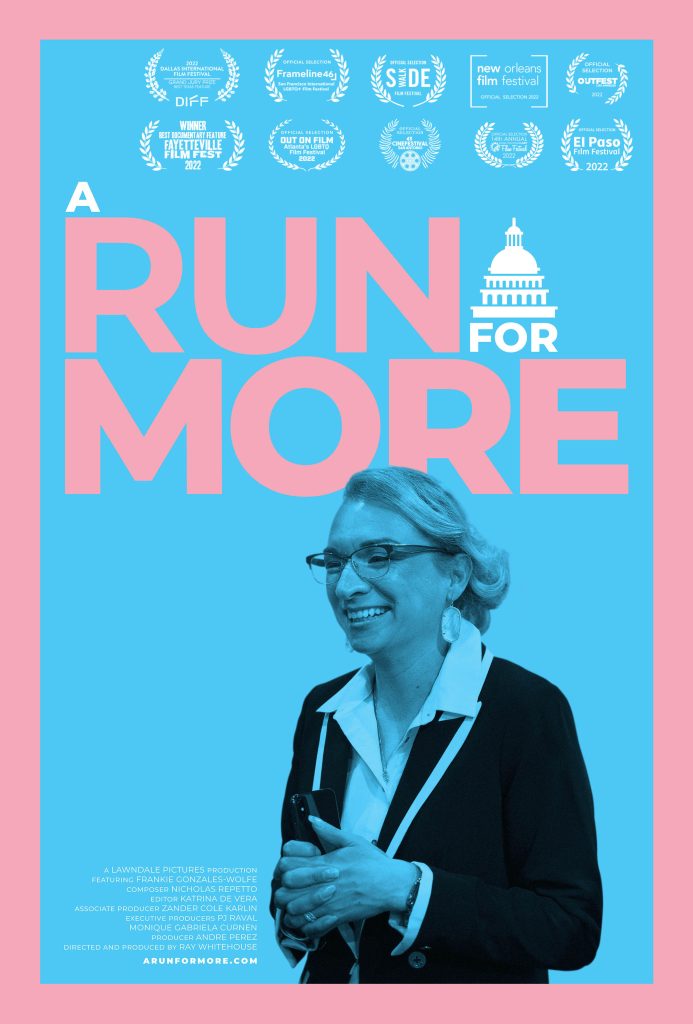
Screening: A Run for More
Special Event; Thu, 07/13/2023 - 03:30pm (Central), Buckingham
Growing up, Frankie Gonzales-Wolfe learned to be a fighter, but never imagined having a chance to make history as the first openly elected transgender official in Texas. Unfolding amidst an onslaught of trans legal attacks, A Run for More immerses viewers on Frankie’s journey as she finds her voice, questions her relationship to community, and tries to win an election.
Breaking through the Noise: How to Write the Best Fundraising Emails
Training; Thu, 07/13/2023 - 04:00pm (Central), Astoria
The training covers email fundraising best practices and the fundamentals of writing a really good fundraising email—including the hook, the ask and tactics to strengthen the ask. We’ll examine rhetorical devices and how to use ethos, pathos and logos to write a salient fundraising ask. We will also cover how to analyze the success of a fundraising email using basic CRM and ActBlue data. After a presentation with case studies, participants will break into small groups to undergo an email-writing simulation, wherein they will practice writing an email and analyzing email data.
Trainers: Sophie Ota
Join Forces, Build Power! Compliance Rules Nonprofit Coalitions Need to Know
Training; Thu, 07/13/2023 - 04:00pm (Central), PDR #2
Working in coalition is one of the best ways to build power and engage effectively in the public policy process. However, nonprofits need to be aware of the rules governing organizations with different tax-exempt statuses and how they impact coalition efforts. This workshop will explain how different types of nonprofits can work together to maximize their advocacy through lobbying, voter education, outreach and more—all while staying in compliance with the law. Participants will walk away with a solid understanding of how 501(c)(3)s, 501(c)(4)s, unions and political organizations can work together.
Trainers: Susan Finkle Sourlis, Quyen Tu
Birddog Nation: Re-Ignited
Training; Thu, 07/13/2023 - 04:00pm (Central), Williford B
Birddogging is one of the most effective activist tactics in the toolbox! Birddogging is the activist tactic of putting a policymaker on the spot—in person, in public, and hopefully on camera—with inescapable, bullet-proof questions that win the room. This training will provide you with skills on how to ask the right questions, how to build a crew of birddoggers, and birddogging an event from start to finish. Join us to learn all about how to use this activist tool as we approach 2024.
Trainers: Brianni Davillier
Solidarity Across Differences: Organizing When We Disagree
Training; Thu, 07/13/2023 - 04:00pm (Central), Waldorf
In 2022, Maurice Mitchell of Working Families Party wrote a piece entitled “Building Resilient Organizations.” It highlighted several challenges in progressive movements, including “a righteous refusal to engage with people who do not already share our views and values.” Many progressives agree that this is a problem—we need broader movements to win, after all—but how to engage with people outside of our core base while still fighting for the future we want can feel elusive. In this training, participants will gain practical skills for having tough conversations and broadening progressive movements. We will explore the strategic importance of this issue and create space for participants to practice new skills in real-time.
Trainers: Elyssa Feder, Harita Iswara
Engaging High Potential Audiences Online: A Latino Gamer Case Study
Training; Thu, 07/13/2023 - 04:00pm (Central), Williford A
Whether deploying targeted ads, or running distributed organizing campaigns, we need a deep understanding of our audience in order to engage with them in authentic ways for mobilization. In this training, participants will learn about creating campaigns that use well-informed audience analysis to define and better target high potential audiences by learning about research into gamers. Through a case study about innovative research seeking to understand how gamers perceive and make judgements around belonging and community, participants will learn how the findings were deployed for a GOTV ad campaign ahead of the 2022 elections aimed at engaging young Latino men, a population at risk for right-wing radicalization.
Trainers: José Muñoz
The Voting Rights Fight: How National Groups Can Help (and Hurt) State Advocacy
Panel; Thu, 07/13/2023 - 04:00pm (Central), Salon A-5
The voting rights fight is pivoting to the states, with legislation to protect our freedom to vote stalled in Congress. Together, state and national organizations have won critical voting rights victories in recent years—and they are again coordinating to meet this moment. This panel of state and national leaders will discuss the importance of state/national strategic partnerships, aligned tactics and visibility campaigns to achieving state legislative wins, and how we can translate state-level victories into national progress. Attendees will understand how national organizations can amplify and fill gaps to help lower-resourced state organizations fighting to expand ballot access, restore voting rights and more.
Led by: Izzy Bronstein
Panelists: Alex Alvarez, YT Bell, Brett Edkins, Shauntay Nelson
State Courts Are Political: How to Protect and Transform our State Judiciaries
Panel; Thu, 07/13/2023 - 04:00pm (Central), Salon A-3
Conservative control of state courts threatens the remaining foundations of our rights and democracy. State court decisions on voting could swing critical elections. Conservatives are hellbent on capturing these courts, recognizing that they helped stop the “big steal” and are often the only check on far-right state legislatures. If they succeed, a path will be cleared to enact anti-democratic agendas, including abortion bans, anti-LGBTQ+ laws, and more. But there’s hope–Wisconsin elected Janet Protasiewicz to the state Supreme Court, which flipped the court’s ideological majority. This panel features leaders on the front lines of appointing and electing progressive state court judges and how we can fight for more progressive state courts.
Led by: Zachery Morris
Panelists: Michael Ambler, Shwetika Baijal, Jennifer "jknox" Knox, Blair Sapp
Women Candidates: Navigating the Threat of Dis/misinformation Campaigns
Panel, Streamed Session; Thu, 07/13/2023 - 04:00pm (Central), Continental B
Misinformation and disinformation is rampant online, and this has a disproportionate impact on the experience of women, particularly women of color, who run for elected office. At a minimum, disinformation campaigns impact voters’ opinions. They can also have a chilling effect on women even considering running and lead to physical threats at times. Consider the experiences of Vice President Kamala Harris and Gov. Gretchen Whitmer in dealing with intentional disinformation campaigns. This panel will include former candidates, activists and experts to discuss their experiences with misinformation and disinformation and provide tools and resources to help combat it.
Led by: Cayana Mackey-Nance
Panelists: Jiore Craig, Kim Foxx, Debbie MucarselPowell
How Data Engineering Can Make Organizers' Dreams Come True
Panel; Thu, 07/13/2023 - 04:00pm (Central), Salon C-3/4
Imagine if people who signed up to volunteer via Hustle automatically got added to your CRM and assigned an organizer. Data Engineers, especially those with open-source tools like Parsons in their hands, can build these custom workflows catering to the specific needs of organizers. Great data engineering can diminish the need for repetitive data entry tasks organizers previously completed, creating more space for them to organize. A strong partnership between data engineering and organizing can unlock a world of creativity in organizing that we are excited to showcase.
Led by: Elyse Weiss
Panelists: Yotam Amit, Amity Foster, JP Peralta, Nate White
Worker Power: Online to Offline Organizing & Emerging Unions
Panel, Streamed Session; Thu, 07/13/2023 - 04:00pm (Central), Salon A-1
The most exciting labor organizing stories this year have come out of emerging organizing efforts like Trader Joe’s United and Advocates for Minor Leaguers. Worker organizers are taking on some of the largest corporations in the country and winning historic victories for working people. What strategies have led to success in these emerging organizing campaigns? What do these efforts have in common, and how have they taken advantage of new and existing technologies to build worker power?
This session is sponsored by Action Network.
Led by: Maximillian Alvarez
Panelists: Jamie Edwards, Harry Marino
Street Art Power: How Creative Activists Transform Culture and Public Narrative
Panel, Streamed Session; Thu, 07/13/2023 - 04:00pm (Central), Continental C
From the movement for Black liberation in Chicago, to music in the streets of Bushwick and The Bronx, to gender justice in Miami and building Latinė political power in Staten Island, meet the creators whose murals, poster art, music and creative happenings challenge the status quo and center oppressed people’s voices and stories. The creative activists on this panel will discuss the importance of engaging both experienced and emerging artists in community organizing, and how their work creates a narrative shift in public discourse often ignored by mainstream media to spread awareness about issues such as racism, economic injustice, women’s rights and climate change.
Led by: Brittany Ramos-DeBarros
Panelists: Jesus Gonzalez, Magda Love, Rodrigo "RodStarz" Venegas
Building Latino Communities: Say Goodbye to the One-Size-Fits-All Approach
Panel; Thu, 07/13/2023 - 04:00pm (Central), Salon C-5/6
More and more organizations and causes are realizing that they need to build strong Latino communities to make progress on shared goals—but they aren’t sure what a successful partnership looks like or how to go about building it. In this panel you’ll hear directly from leaders in the Latino movement about their work to build Latino communities online. Whether it’s starting with on-the-ground partnerships, working with specific diasporas at launch or fighting misinformation, you’ll gain concrete insights about how you can build authentic partnerships within Latino communities.
Led by: Catherine Algeri
Panelists: Eric Borja, Raul Garcia, Kristian Ramos
Tech and Policing: Organizing to Stop ShotSpotter
Panel, Streamed Session; Thu, 07/13/2023 - 04:00pm (Central), Continental A
Police partnerships with tech companies offering faulty solutions to gun violence are expanding across the country. ShotSpotter tech aims to reduce gun violence while surveilling overwhelmingly Black and brown communities with microphones. With over 120 contracts in the U.S., ShotSpotter suffered a huge blow when Chicago coalition members successfully placed ending the ShotSpotter contract onto the platform of mayor-elect Brandon Johnson, leading to a 22% drop in the company’s stock and a sudden rebranding as “SoundThinking.” The Stop ShotSpotter coalition was formed to bring together local and national groups to support organizing efforts through FOIAs, communications tools, research, and digital organizing. Over 20,000 people have signed a petition demanding that ShotSpotter be removed from our communities. Join us for a conversation about what’s next for eliminating this threat.
Led by: Granate Kim
Panelists: Je Amaechi, Alyxandra Goodwin, Jonathan Manes, Alejandro Ruizesparza
Black Rural Organizing; How Rural Community Turnout Made (and Kept) Georgia Blue
Panel; Thu, 07/13/2023 - 04:00pm (Central), Salon A-4
Focusing on the importance of mobilizing Black people in rural areas is essential to preserving the American democratic process. Empowering those living in remote areas of the country, along with year round holistic organizing, has kept states like Georgia blue. As the population in many areas continues to shift from urban to rural migration, come hear from organizers on the frontlines of building rural power.
Led by: Shakya Cherry-Donaldson
Panelists: James Baker, Delinda Bryant, Jamiya Smiley, Jennifer Smiley
Dialing for Success: Unleashing Proven Strategies for Improved Contact Rates
Training; Thu, 07/13/2023 - 04:00pm (Central), Williford C
Is your campaign looking to significantly increase its contact rates through proven techniques? Then this training session is for you. With over 10 years in the political communications industry, we cover THE BEST ways you can leverage your outreach technology. Amplify your contact rates, captivate supporters, and maximize results with the power of phonebanking, texting, and relational organizing.
This session is sponsored by Callhub.
Led by: Sam Briggs
Opening Keynote featuring Mayor Brandon Johnson
Plenary, Streamed Session; Thu, 07/13/2023 - 05:15pm (Central), International Ballroom
Join us as we kick off Netroots Nation 2023 with our opening keynote highlighting progressive leaders and organizing efforts in Chicago. You’ll hear from progressive voices including Mayor Brandon Johnson; Illinois State Sen. Robert Peters; AFT President Randi Weingarten; Cook County Public Defender Sharone Mitchell, Jr.; Chicago organizer Emma Tai; Working Families Party’s Maurice Mitchell; and more.
During the first half of the session, Netroots Nation and Motus Theater present a special performance as part of Motus Theater’s JustUs DA Tour. In this performance, Cook County State’s Attorney Kim Foxx co-reads the autobiographical monologue of Motus’ JustUs monologist & Director at Women’s Justice Institute Reclamation Project, Colette Payne about the impact of the criminal legal system on her and her family. The nationally-acclaimed musical duo, The ReMINDers will offer a musical response to the co-reading and the keynote.
Motus Theater, in collaboration with Fair & Just Prosecution, is touring autobiographical monologues of people who were formerly incarcerated with the offices of district attorneys across the country to inspire thoughtful dialogue on the impact the criminal legal system has on our country. The JustUs project was developed by Motus Theater in 2019 and premiered as a keynote at the National Association of Community and Restorative Justice Conference in front of 1,600 stakeholders. Since then, JustUs monologues have served as keynotes for 11 national and international conferences and have been read by law enforcement, district attorneys, DOC staff, and legislators. Motus Theater’s mission is to create original theater to facilitate dialogue on critical issues of our time. Motus aims to use the power of art to build alliances across diverse segments of our community and country. The JustUs monologues were developed in collaboration with Motus Theater’s artistic director, Kirsten Wilson, as part of an 18-24 week Motus monologue workshop. Learn more about JustUs tour HERE.
Then, you’ll hear about the powerful organizing effort behind Brandon Johnson’s mayoral campaign. How did Johnson, a progressive county commissioner who was unknown to many Chicagoans when the campaign started, build momentum to defeat Paul Vallas and become the most progressive mayor elected in the city’s history?
Panelists: Kim Foxx, Chicago Mayor Brandon Johnson, Sharone Mitchell, Jr., Maurice Mitchell, Colette Payne, Illinois State Senator Robert Peters, The ReMINDers, Emma Tai, Randi Weingarten
Opening Reception sponsored by Black Male Voter Project
Special Event; Thu, 07/13/2023 - 06:45pm (Central), Grand Ballroom
After the opening plenary, stick around for an opening reception sponsored by Black Male Voter Project! After a busy day of panels and training sessions, connect with old and new friends as you power up with appetizers and drinks.
Netroots After Dark: Karaoke sponsored by ActBlue
Special Event; Thu, 07/13/2023 - 09:00pm (Central), Offsite
Join us for what’s become an annual tradition at Netroots Nation! Whether you can’t hold a tune or have ambitions to be on The Voice, we want you on the stage. This event is generously sponsored by ActBlue. Drink tickets and some late evening snacks to get you in the singing mood will be provided. This event will be held at Buddy Guy’s Legends, located half a block from the Hilton at 700 S Wabash Ave.
Please note: Buddy Guy’s Legends is a 21+ venue.
Morning Yoga with Reggie Hubbard
Special Event; Fri, 07/14/2023 - 08:00am (Central), PDR #4
As activists we often get caught up in the perception of progress through busy-ness and neglect the necessity of focus and calm. Our morning flow will ground your day in peace and clarity before diving into the business/busy-ness of the conference. We’ll do light stretching, joint mobility enhancements, breathing and relaxation exercises.
Panelists: Reggie Hubbard
Are You Prepared? A Simulation on Crisis Communication
Training, Professional Development Training; Fri, 07/14/2023 - 09:00am (Central), Williford C
Even for an experienced communications staffer, responding to a major crisis can be trying. How do you ensure you can not only respond to the crisis, but shape the media narrative productively? Progressive advocates and community leaders should prepare to encounter unexpected situations that necessitate engaging in public conversation and change how people approach their issues. This is an experiential workshop: we’ll guide participants through a step-by-step simulation of a crisis. Participants will walk away with a practical understanding of how they can plan their own responses to crises and answer their ED’s question “what do we say?”
Trainers: Firdaus Arastu, Lenai Johnson
Equitable Hiring Strategies for Progressive Groups
Professional Development Training, Training; Fri, 07/14/2023 - 09:00am (Central), Williford B
Building on Progressive Pipeline’s work to recruit and support underrepresented political staffers, we’ll share actionable best practices to build equitable and effective hiring processes. You’ll learn how to write great job descriptions, get them in front of the right candidates and screen applications equitably. Whether you’re an HR professional, an organizational leader or an operations staffer, you’ll leave with tools you can implement to build a team that reflects the diversity of the progressive movement. If you’re looking for practical strategies to drive DEIJ at your organization, this training is for you!
Trainers: Michael Michaelson, Shripal Shah
The Dos and Don’ts of Rebuilding Your Org's Website
Professional Development Training, Training; Fri, 07/14/2023 - 09:00am (Central), Waldorf
Rebuilding your organization’s website is a timely and costly affair, but it’s a crucial step in maintaining legitimacy and telling the story of your evolving organization. We’ll take you through the steps of building buy-in from leadership, creating an RFP, choosing a vendor and ultimately building a site that makes a compelling case for your organizing efforts.
Trainers: Ralph Medley
Don’t Be Spam: Building Broadcast Text Programs that Last
Training, Professional Development Training; Fri, 07/14/2023 - 09:00am (Central), Astoria
Each election cycle our phones are bombarded with texts. Too often, SMS campaigns lead to subscriber burnout, high opt-out rates and low levels of engagement. But with the proper strategy, you can use your broadcast text program to build deep relationships with your subscribers, gaining their trust and securing long-term engagement with your audience. This training will focus on ways to create an authentic voice for your SMS campaigns, examples of creative and effective tactics, and questions to consider when developing your text program. These strategies can be helpful whether you are a texting beginner or looking to revamp your existing program.
Trainers: Lloyd Cotler, Annie Rosenthal
Illusions of Ubiquity: Creative Digital Advertising for Campaigns and Advocacy
Training, Professional Development Training; Fri, 07/14/2023 - 09:00am (Central), Williford A
This training will explore a range of creative ways political and advocacy campaigns use digital advertising in the real world today. We’ll examine how ads can help with testing, fundraising, persuasion, recruiting, mobilization, GOTV and more. We’ll dig into questions including: What is addressable advertising and what are its limits? How can digital ads help a fundraising email perform better? How can they help you build a messaging strategy, or turn out the right voters? What options lie beyond Facebook and Google? How can careful targeting help stretch a thin budget? And, how do you create an “illusion of ubiquity”? We’ll dive into these topics and more, inviting participants to share their own creative digital advertising experiments.
Trainers: Colin Delany
Manager Confessions: Challenges and Lessons Learned from the Frontlines
Professional Development Training, Training; Fri, 07/14/2023 - 09:00am (Central), PDR #2
“If you’re comfortable while you’re doin’ it, you’re probably doin’ it wrong.” If you scoured every Ted Lasso episode for lessons on management, this session is for you. Experienced managers will talk about their biggest challenges from the last year, what they learned, and the importance of management as a skill set—not just a job title. Then we’ll have space to discuss challenges and concerns in your own management jobs. Whether you’re new to management or have been in a role for years, this session will provide a safe space to discuss your questions and challenges with other managers.
Trainers: Malinda Frevert, Nicole Lewis, Alejandra Montoya-Boyer, Yumhee Park
Immigration Caucus
Caucus; Fri, 07/14/2023 - 09:00am (Central), Salon C-8
Addressing Root Causes and Advancing Justice: Co-Powering Migrant Communities
Netroots is an opportunity for us to come together and take collective action. Two and a half years of the Biden Administration have led to few significant advances in addressing the root causes of migration as deportations skyrocket, asylum seekers are turned away to danger, and immigrants and migrants continue to be subjected to abuse and torture in detention centers and at the U.S.-Mexico Border and across the U.S. Meanwhile, organizations struggle to counter the narrative and mass media operation from the anti-immigrant far right.
Join Presente.org and The Young Center in an open, inclusive discussion to learn how we can collectively advance and leverage our narrative, organizing, solidarity, and advocacy strategies to improve the quality of life of migrants seeking more dignified lives and immigrants who’ve been fighting for permanent protection for years. Together, we can create a more just and compassionate society for all.
Led by: Erika Andiola, Nancy Treviño
Covering Crime and Safety in 2024: The New Narrative
Panel; Fri, 07/14/2023 - 09:00am (Central), Salon C-3/4
Many elected officials, journalists, and even advocates are stuck in a vicious circle when it comes to talking about crime and safety: Politicians equate voters’ concerns about crime with a desire for more “tough-on-crime” policies and the media often adopts a similar refrain.
New research from Vera Action makes clear that voters know the status quo is failing to keep our communities safe, and they want a solutions-oriented approach to safety over the same old “tough on crime” rhetoric. When candidates own safety as a kitchen table issue, and deliver a comprehensive set of solutions head-on, they win. The media plays a central role in telling the full, nuanced story of what voters want their elected officials to do when it comes to safety. Vera Action’s messaging research and polling provides a data-informed foundation for this winning narrative.
This panel will feature a discussion with media figures, advocates, and pollsters talking about why the media falls into the “tough-on-crime” tropes, what the data is telling us, and how advocates can drive a more united and effective message.
This session is sponsored by Vera Action.
Led by: Insha Rahman
Panelists: Julie Millican, Terrance Woodbury
Caregiver & Moms Caucus
Caucus; Fri, 07/14/2023 - 09:00am (Central), Salon C-7
Moms and caregivers are rising like never before to fight for programs that unite and lift us all – and to make clear that well-funded efforts by a vocal minority to divide us and take away our freedoms through censorship, book bans, health care denials, “guns everywhere,” and more do not provide the solutions we want or need. We know moms and parents carry our nation and families – and deserve leaders who have our backs every single day. Having our backs means advancing policies including childcare, paid family and medical leave, eldercare and homecare, access to abortion care, and fair pay that give us the tools and the opportunities to build good lives and boost the economy. This will be a space to connect, be in community, and celebrate our growing power!
Refreshments provided by MomsRising
Asian American Caucus
Caucus; Fri, 07/14/2023 - 09:00am (Central), Salon C-2
Join the Asian American Caucus to connect and build power! Together, we will examine the state of Asian America and identify key campaign opportunities where our collective work and leadership are needed.
Are you a hungry organizer looking to get connected to campaigns? Are you a staff member at an organization looking to build stronger relationships in the Asian American community? This caucus is for you!
Refreshments will be provided by 18Million Rising
Friday Coffee Break sponsored by Run for Something
Special Event; Fri, 07/14/2023 - 10:00am (Central), Town Square (Salon D)
Need a quick pick-me-up? Come by the Town Square for coffee and pastries to get your day started, generously provided by Run for Something.
Engagement Systems to Break Silos
Training; Fri, 07/14/2023 - 10:30am (Central), Williford A
Struggling with low engagement? Supporters not sticking around? Inter-team or inter-campaign conflict? Struggling to scale? Caught between too many tech tools? Data all over the place? Campaigner, technologist, and network weaver Jay Carmona has seen it all, and has created a simple diagramming and planning process that puts deep supporter engagement back at the center of both digital and organizing programs. We’ll learn how to walk in our supporters’ shoes and how to design a scaled journey forward that will narrow our plans, unite our teams, focus our tech, and inform our data architecture. Get ready for a participatory, visually-driven process that is built to work at all levels of an organization.
Trainers: Jay Carmona
Creating Impactful Livestream Events that Center Accessibility and Language Justice
Training; Fri, 07/14/2023 - 10:30am (Central), Williford B
Lights…camera…propel your base of supporters to action! Livestreaming your next organizing meeting, training or event is an essential part of digital outreach, whether it be on your website, YouTube, TikTok or Instagram Live. Join us to learn quick, easy tricks to make amazing graphics and animations and produce a livestream that people want to watch while also boosting engagement, potentially raising dollars, and growing your base. We’ll cover everything from choosing the best platform and equipment to meet your needs, to ensuring that the accessibility and language justice needs of your audience are centered from the start. We’ll also do a Q&A and share practical tips we have learned for both live actions and pre-planned events.
Trainers: Bob Bland, Jeronimo Saldana
Crafting a Persuasive Message: Using Rapid Pre-testing to Iterate Quickly
Training; Fri, 07/14/2023 - 10:30am (Central), Waldorf
More than 60% of political campaign budgets are spent on advertising. Unfortunately, we struggle to know whether our message actually persuades. Many campaigns rely on social media metrics to get feedback, but these only measure clicks and shares, which is not the same as persuasion. In this training, we will teach you about the differences between pre/post-testing, A/B testing and RCT testing. Then we’ll show you how to use RCT rapid pre-testing to develop a persuasive message. Attendees will break into small groups to craft messages to respond to a Republican attack, utilizing race class narrative and other messaging tools. We will then launch a rapid pre-test of the messages and send results out to participants the following day.
Trainers: Taylar Harrington, Jason Toups